
When I was young, I was always trying to start some kind of business. I bought clothes from thrift stores and sold them on eBay. I set up a small recording studio in LA with some friends. I built my own screenprinting press while trying to build out a clothing brand. I had the drive and creativity, but what I needed was direction. I needed to see possibilities and believe that these visions of running a business were possible. On some level, I needed to see people who looked like me and came from a similar background as me to really believe that I could do it.
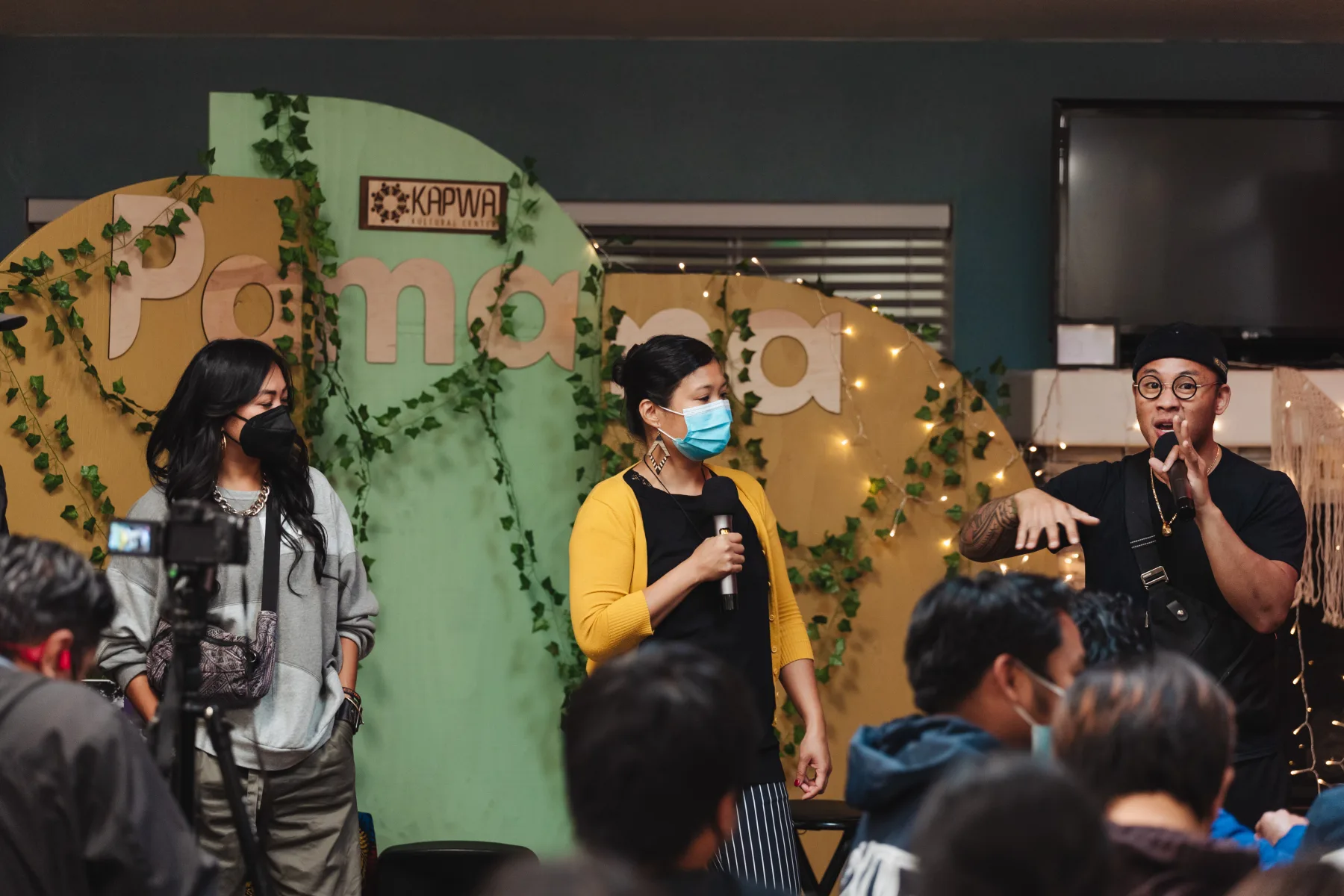
Pamana was my way of giving back to the next group of Filipino Americans with big dreams and creative visions. In October 2022, I brought together local artists and business owners from Daly City and around the Bay Area for a two-day event where youth could learn from their stories and be inspired by their entrepreneurial journeys.
I called it Pamana. Pamana means inheritance in Tagalog. Our sharing of knowledge and learnings, as well as capital through small grants, can be one way of passing on wealth to the next generation. Community and financial capital.
Why Daly City, and why business
Daly City is often called the Pinoy Capital of the United States. About a third of the people who live there are Filipino. Plenty of young people in the area have entrepreneurial and creative dreams. What's harder to find is a mentor, some structure, and a little capital to actually get going.
The goal was to build financial literacy and support entrepreneurship for Filipino American youth.
How I built it
We got a grant from the State Department's Citizen Diplomacy Action Fund, which is open to alumni of its exchange programs. I was a Gilman scholar during my undergrad when I did a study abroad program in the Philippines, so I was able to apply and co-write a grant with a fellow Gilman alum. The application included a month-by-month workplan, an evaluation plan, and an itemized budget.
ASK THE YOUTH FIRST
Before finalizing the agenda, I ran a needs assessment with our main partner, the Filipino Mental Health Initiative of San Mateo County, and collected input directly from the youth. If it was supposedly for them, they should inform the planning.
PUT THE COMMUNITY ON STAGE, AND PAY THEM
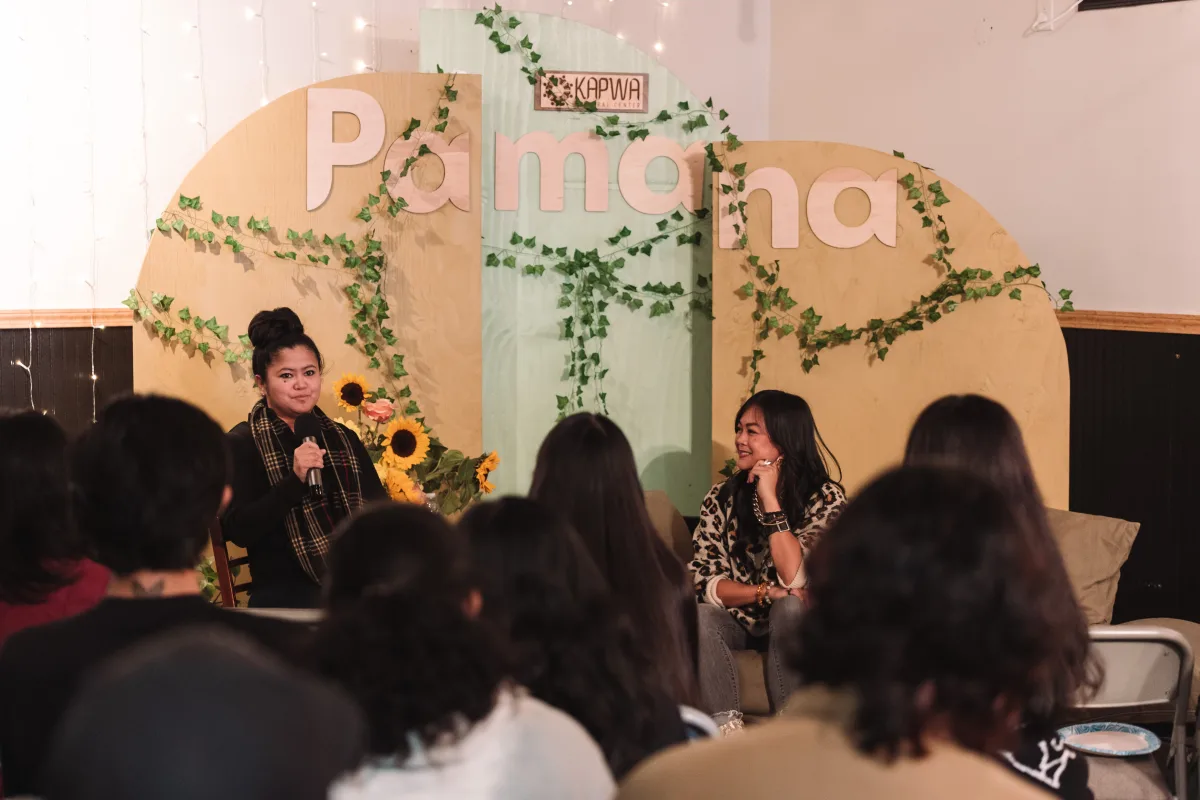
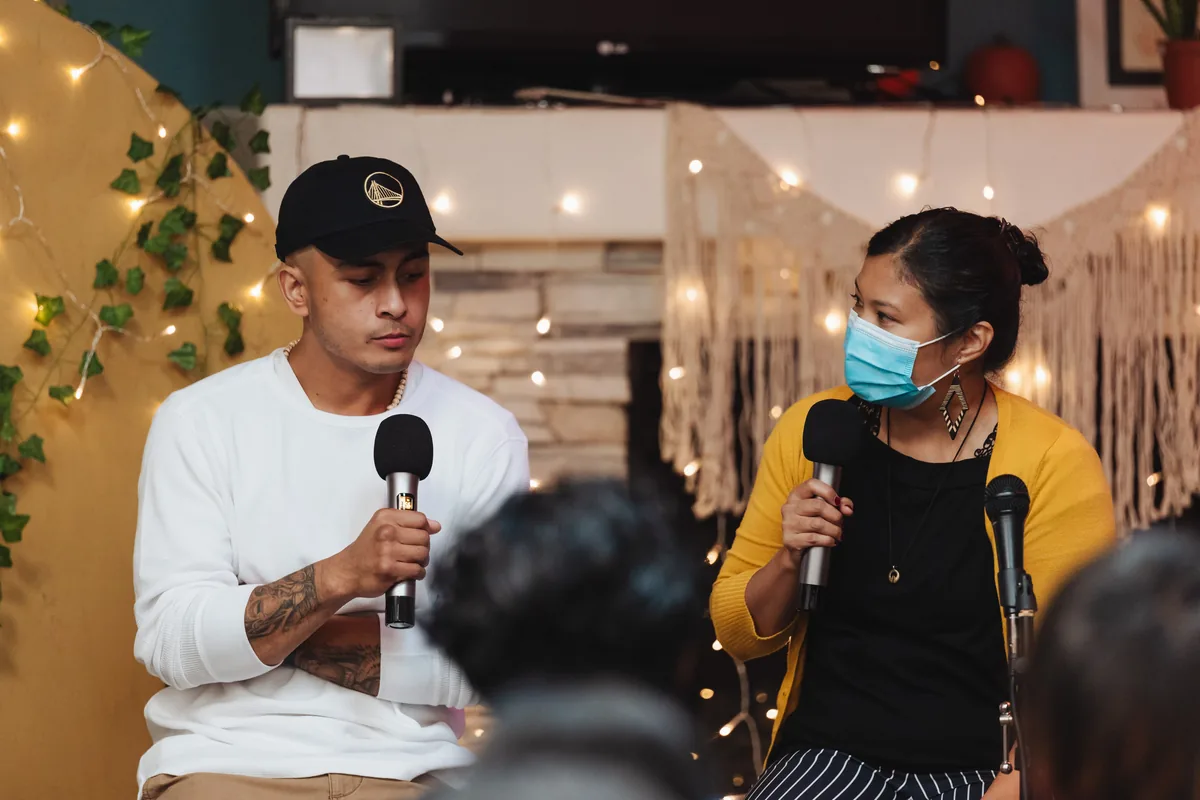
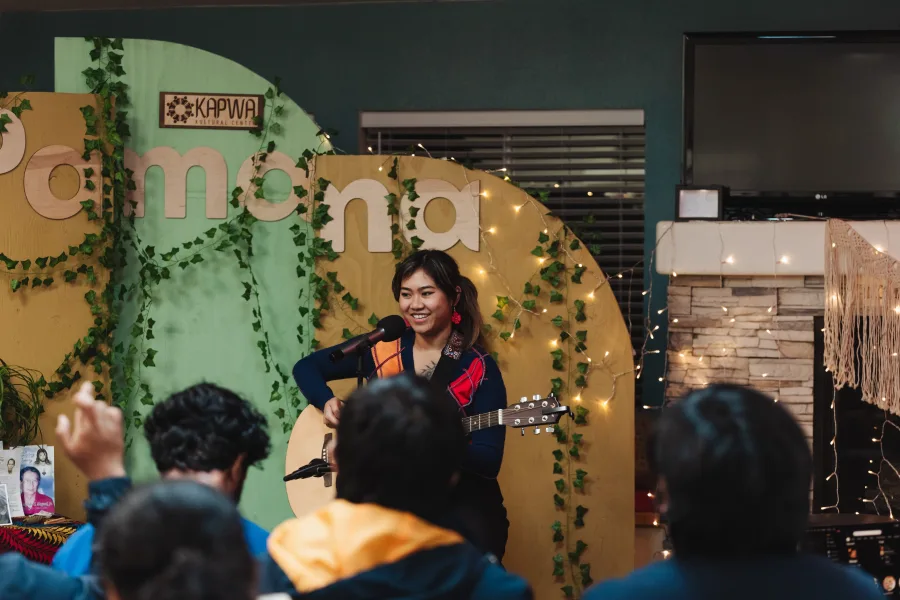
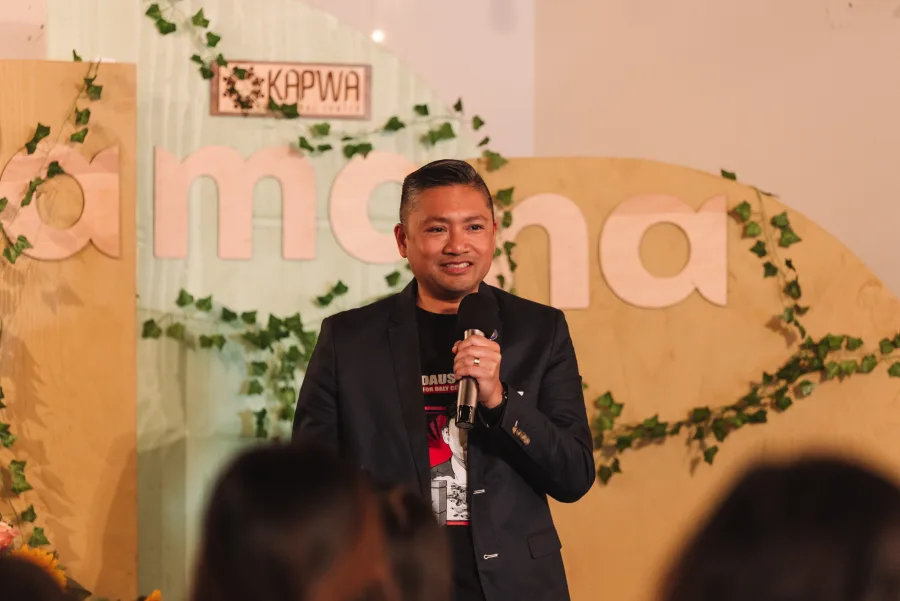
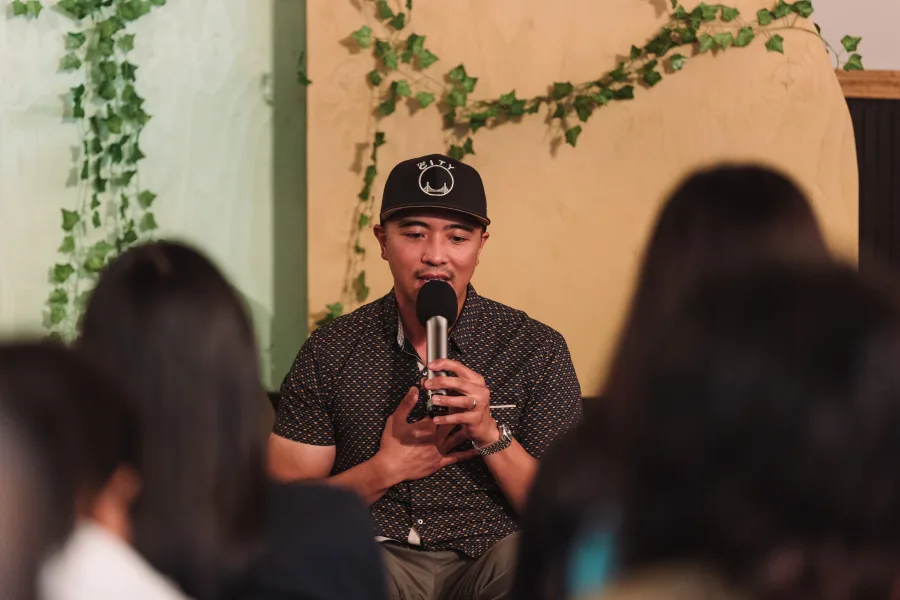
Thirteen local business owners, performers, and artists took part as speakers, performers or vendors, and every one got an honorarium. All of them were Filipino or Filipino American, and all came from within our local network. The food we purchased for the event also came from local Filipino-owned businesses. If the event was about building wealth in the community, we should also practice what we preach.
LET THE YOUTH TAKE LEADERSHIP ROLES
I trained youth volunteers ahead of the event. They ran the sign-in and check-in process, set up the space and the food, and they handled the announcements between sessions. I also trained a few to run the audio and video needs for the event.
SUPPORT THEIR NEXT STEP
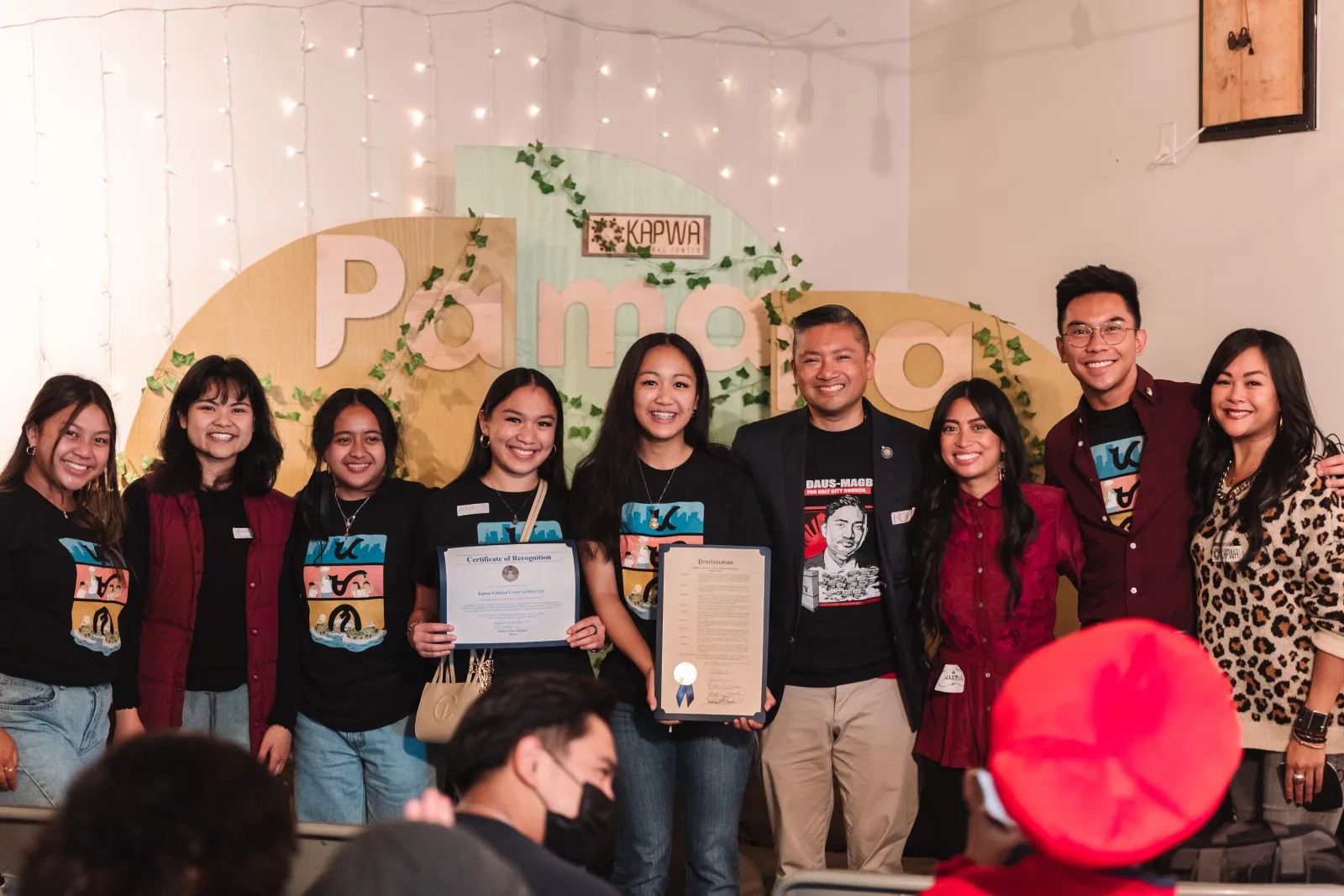
A seminar can inspire people for a weekend. Actual cash can get their project going. Youth attendees of the event could then apply for one of three small grants to start a small business project of their own. We gathered separate funds from private donors and were able to distribute three $500 grants to fund youth projects.
The program ran in five steps:
- Listen and plan (May – July 2022): the kickoff, the needs assessment, and youth input.
- Recruit (July – September): speakers, mentors, volunteers, and youth outreach across the Bay Area.
- Train: youth volunteers practiced running the room, from check-in to the camera.
- Deliver (October 28–29): day one was performances and talks about art, artistry, and the business behind creative projects. Day two was conversations with local business leaders and owners.
- Follow up: post-surveys and focus groups, then the grant applications, and then the payouts.
What changed
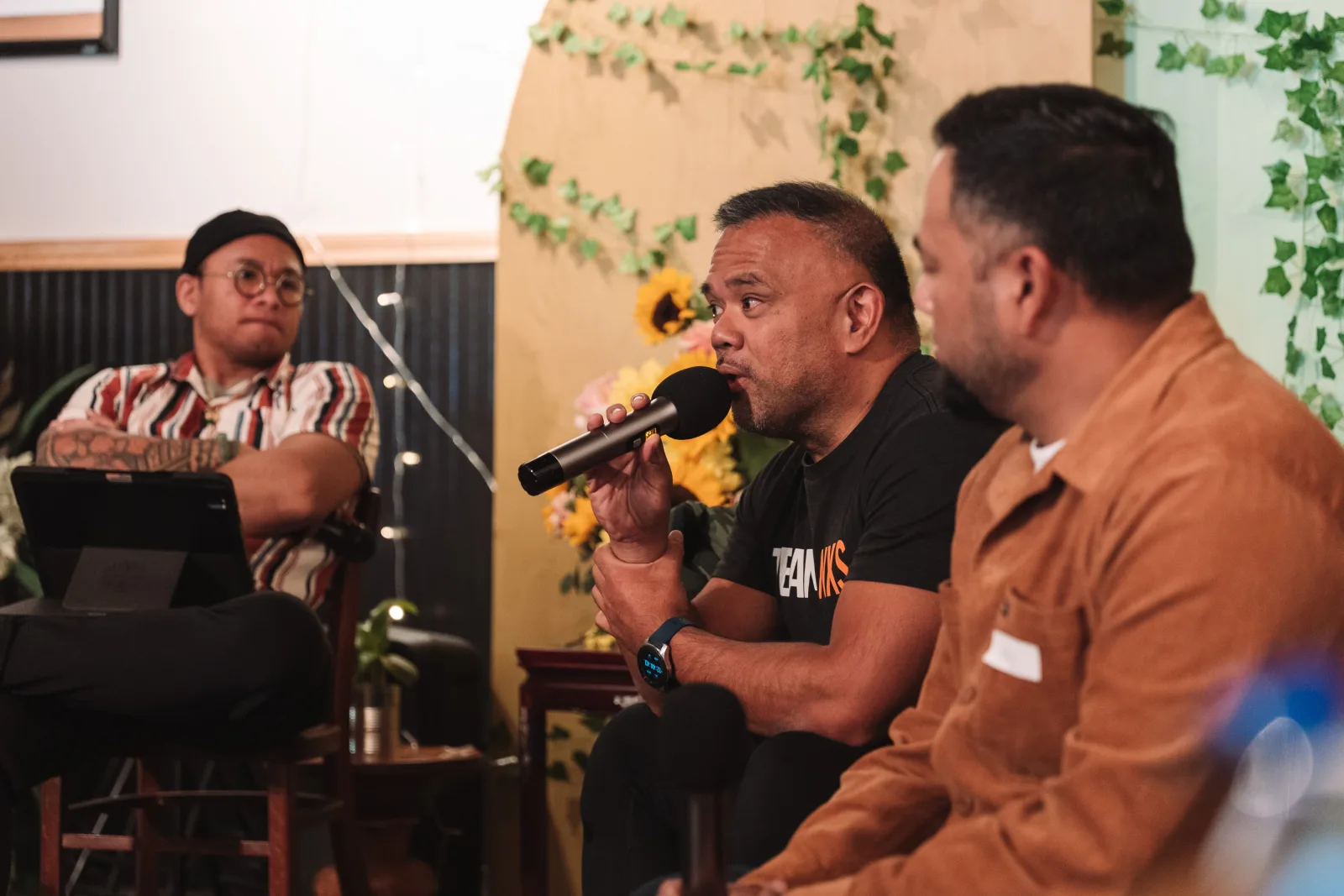
For two days, Filipino American youth sat in the same room as business leaders from their own community. They listened to stories about successes, failures, excitement, and disappointment. They listened to how people built businesses and how they did it. We heard from a sports Emmy award winning filmmaker to an owner of a long-standing local restaurant.
Three attendees received $500 grants through the Pamana grant. One of them has since launched his own website and has been working on multiple media projects.
Looking back
I've organized a lot of community events over the years, from open mics and showcases to fundraisers and advocacy campaigns. It's tough asking people to speak or perform, especially for an entrepreneurship or business-focused event, when we don't have the funds to pay them for their time (even if we were organizing as a grassroots organization). This time, we had the funding to pay an honorarium for every speaker, performer, or vendor. I hope our small example set a good precedent for people who organize community events, especially if they're able to access funding.